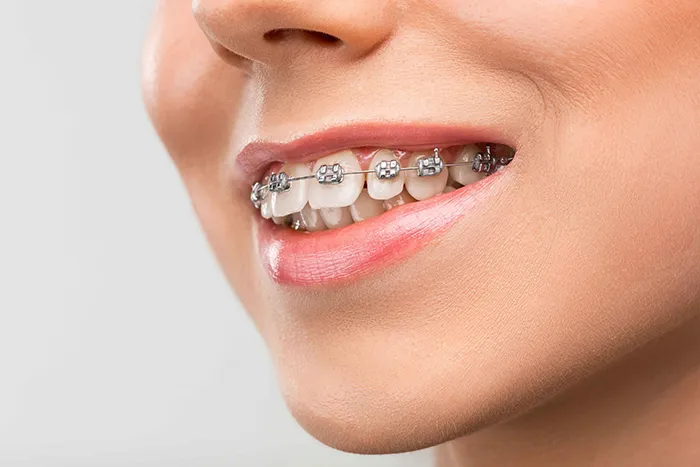
Orthodontics and the Science of Enhanced Facial Adaptability
The Revolutionary Intersection of Science and Aesthetics
The human face represents one of nature’s most intricate architectural marvels, with each feature working in harmonious conjunction to create our unique appearance. Within this complex framework lies the fascinating realm of orthodontics, where science meets artistry to enhance not merely dental alignment, but the entire facial structure. The concept of enhanced facial adaptability through orthodontic intervention has emerged as a compelling field of study, revealing how strategic dental corrections can dramatically influence one’s overall facial aesthetics and functional capabilities.
Modern orthodontic science has evolved far beyond the traditional notion of simply straightening crooked teeth. Today’s practitioners, including any orthodontist London, understand that the positioning of teeth directly influences jaw alignment, muscle function, and ultimately, the proportions of the entire face. This sophisticated understanding has led to revolutionary treatment approaches that consider the patient’s facial harmony as a primary objective, rather than merely addressing dental irregularities in isolation.
Understanding Facial Adaptability Through Orthodontic Science
The science behind facial adaptability centres on the remarkable plasticity of facial bones and muscles, particularly during developmental years. When orthodontic appliances apply controlled pressure to teeth, they initiate a cascade of biological responses that extend well beyond the dental arches. The surrounding bone tissue undergoes a process called remodelling, where old bone is gradually dissolved and new bone forms in response to the altered mechanical forces.
This biological phenomenon enables significant changes in facial structure over time. Research demonstrates how orthodontic treatment influences jaw positioning and facial development, showing that strategic interventions can enhance cheekbone prominence, improve chin projection, and create better overall facial balance. The temporal relationship between dental positioning and facial aesthetics has become increasingly evident through advanced imaging technologies that allow practitioners to visualise these changes in real-time.
The Mechanisms of Facial Enhancement
Skeletal Adaptations and Growth Patterns
The skeletal system’s response to orthodontic treatment varies significantly depending on the patient’s age and developmental stage. Younger patients typically demonstrate greater adaptability, as their bones retain higher levels of cellular activity and growth potential. During these formative years, an experienced orthodontist practitioners work with can guide facial growth patterns to achieve optimal aesthetic outcomes whilst ensuring proper functional alignment.
The process involves careful manipulation of growth vectors, where orthodontic forces are applied to encourage favourable skeletal development patterns. This approach can address issues such as underdeveloped upper jaws, receding chins, or asymmetrical facial growth, creating more harmonious facial proportions that enhance both appearance and function.
Soft Tissue Response and Muscular Adaptation
Beyond skeletal changes, orthodontic treatment profoundly affects the soft tissues surrounding the dental structures. The lips, cheeks, and facial muscles adapt to new tooth positions, often resulting in improved facial support and more defined features. These adaptations can create the appearance of fuller lips, better cheekbone definition, and improved overall facial symmetry. The muscular system responds by adjusting its resting positions and functional patterns, leading to enhanced facial expression capabilities and improved oral function.
Contemporary Treatment Approaches and Innovations
Modern orthodontic practices have embraced sophisticated treatment modalities that prioritise facial enhancement alongside traditional dental correction. Three-dimensional imaging technology enables practitioners to predict and plan facial changes with unprecedented precision. These digital tools allow for comprehensive treatment planning that considers the patient’s unique facial anatomy and aesthetic goals.
The integration of various orthodontic appliances, from traditional braces to clear aligners and functional appliances, provides practitioners with versatile options for achieving optimal facial adaptability. Contemporary research reveals significant impacts of orthodontic treatment on facial aesthetics, demonstrating measurable improvements in facial harmony and patient satisfaction rates.
Interdisciplinary collaboration has become increasingly common, with orthodontists working alongside oral surgeons, periodontists, and cosmetic dentists to achieve comprehensive facial enhancement. This collaborative approach ensures that all aspects of facial aesthetics are considered, from skeletal positioning to gingival health and tooth aesthetics.
The Future of Facial Adaptability Through Orthodontics
The field continues to evolve with emerging technologies and treatment philosophies that emphasise personalised care. Advanced treatment protocols now focus specifically on facial shape modifications, offering patients unprecedented control over their facial transformation journey. As research continues to unveil the intricate relationships between dental positioning and facial aesthetics, the potential for enhanced facial adaptability through orthodontic intervention becomes increasingly promising, offering patients the opportunity to achieve their ideal facial harmony through scientifically-based treatment approaches.