How Composite Bonding Repairs Chipped Teeth Without Drilling
Understanding Modern Dental Restoration
Chipped teeth can happen to anyone, whether from biting into something unexpectedly hard, a sporting accident, or simply the wear and tear of daily life. Traditionally, repairing damaged teeth meant preparing for the dental drill, an experience that fills many patients with dread. However, modern dentistry has evolved to offer more conservative approaches, and composite bonding Plymouth has emerged as a revolutionary solution that often requires minimal to no drilling whatsoever.
This innovative technique has transformed the way dental professionals approach cosmetic and restorative treatments. Unlike traditional methods that necessitate removing healthy tooth structure, composite bonding works by adding material rather than taking it away. The procedure involves applying a tooth-coloured resin directly to the damaged area, sculpting it to restore the tooth’s natural shape, and then hardening it with a special curing light. The result is a seamless repair that looks entirely natural whilst preserving the maximum amount of original tooth structure.
The Science Behind Composite Bonding
The composite resin used in bonding procedures is a sophisticated material that has been refined over decades of dental research. Studies on dental composite materials have demonstrated their durability and aesthetic properties, making them ideal for repairing minor to moderate tooth damage. The resin consists of a plastic matrix reinforced with glass or ceramic particles, which gives it strength whilst maintaining a translucent quality that mimics natural tooth enamel.
What makes this material particularly suitable for drill-free repairs is its adhesive properties. Modern bonding agents create a chemical bond with the tooth’s natural structure, meaning the composite literally fuses with the existing enamel and dentine. This eliminates the need to create mechanical retention through drilling, as was necessary with older restorative materials like amalgam fillings. The dentist simply prepares the tooth surface by etching it with a mild acidic solution, which creates microscopic irregularities that enhance the bonding process.
Why Drilling Becomes Unnecessary
When a tooth chips, the damage typically affects only the outer layers of enamel. Composite bonding Plymouth can often address these superficial chips without removing any additional tooth structure. The composite material builds upon what remains, effectively replacing only what has been lost rather than excavating further into healthy tissue.
The Preservation Principle
Conservative dentistry operates on a fundamental principle: preserve as much natural tooth structure as possible. Every time a drill removes enamel or dentine, the tooth becomes slightly weaker and more vulnerable to future problems. Composite bonding respects this principle beautifully. By layering the resin material over the existing tooth surface, dentists can rebuild chipped areas whilst maintaining the tooth’s structural integrity. This approach not only benefits the immediate repair but also supports long-term oral health.
The Treatment Process Explained
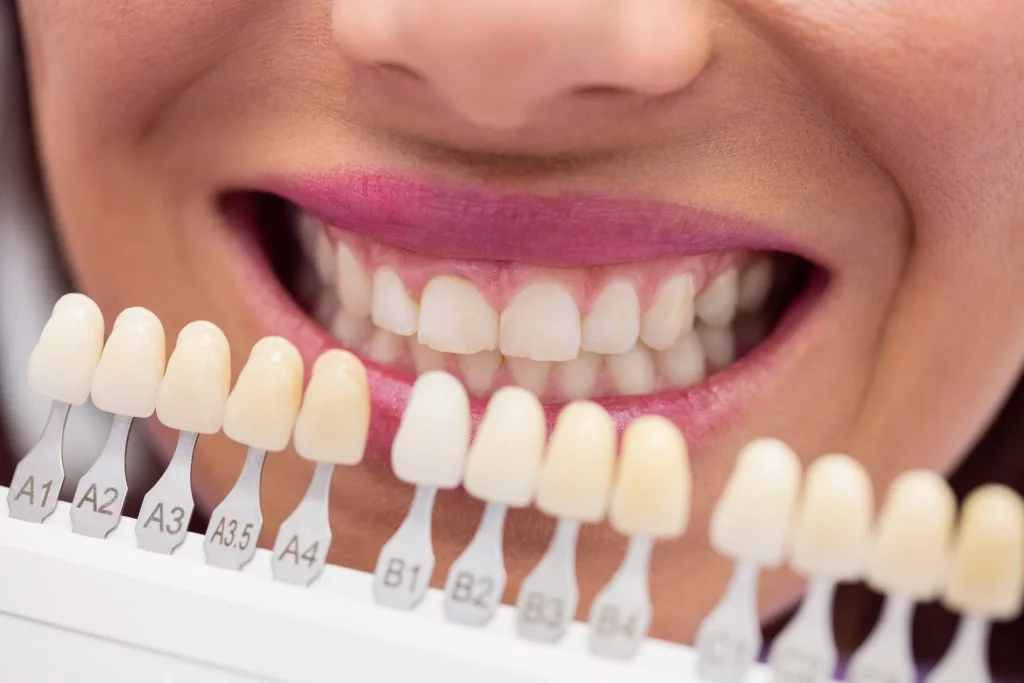
The procedure itself is remarkably straightforward and typically completed in a single appointment. After selecting a composite shade that matches the patient’s natural tooth colour, the dentist cleans and slightly roughens the tooth surface. This preparation creates an optimal bonding environment without requiring traditional drilling. The composite resin is then applied in layers, with each layer being carefully shaped and hardened using an ultraviolet or LED curing light.
Once the desired shape and size have been achieved, the dentist polishes the bonded area to match the lustre of the surrounding teeth. The entire process usually takes between thirty minutes to an hour per tooth, depending on the extent of the damage. Patients often find what to expect during the composite bonding procedure far less intimidating than they initially imagined, particularly given the absence of drilling sounds and sensations.
Advantages Beyond Aesthetics
Whilst the cosmetic benefits of composite bonding are immediately apparent, the advantages extend well beyond appearances. The lack of drilling means the procedure is generally painless, often requiring no anaesthetic whatsoever. This makes it particularly suitable for patients with dental anxiety or those who prefer minimally invasive treatments. Additionally, because the natural tooth structure remains intact, the tooth retains its strength and vitality.
The reversible nature of composite bonding also sets it apart from more permanent solutions. Should the bonding become stained or damaged over time, it can be repaired or replaced without affecting the underlying tooth. For those interested in comprehensive information about composite bonding treatments, understanding this flexibility proves reassuring when considering long-term dental care options.
Final Thoughts on Modern Tooth Repair
Composite bonding represents a significant advancement in dental care, offering an effective solution for chipped teeth without the need for invasive drilling. By preserving natural tooth structure whilst delivering excellent aesthetic results, this technique embodies the best of contemporary dentistry. For anyone facing the prospect of tooth repair, exploring this conservative approach may provide the ideal balance between restoration and preservation.